SPOON PACKAGING COMPARISON
The difference between individually wrapped and bulk packed spoons
An individually wrapped spoon has its own protective outer wrap. A bulk packed spoon is usually grouped with multiple spoons in a shared inner package or carton. Actual wrapping materials and pack counts vary, so buyers should review product-specific samples.
Neither format automatically guarantees hygienic handling. The suitability of packaging depends on food-service workflow, storage and local requirements.
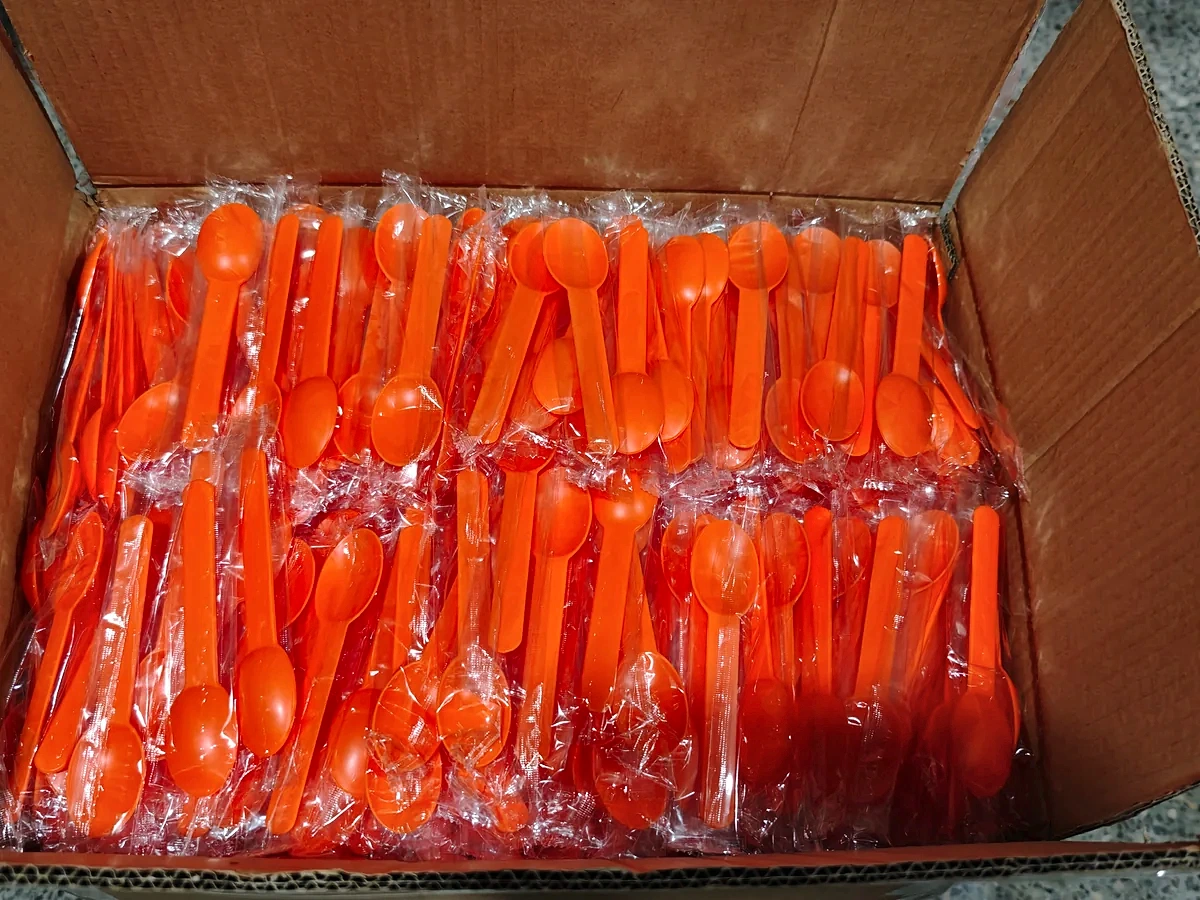
Where wrapped spoons are useful
Individual wrapping may help where spoons are placed in delivery bags, self-service takeaway kits or distributed outside a supervised counter. It also adds an extra handling step and packaging material, which should be considered in cost and waste planning.
When ordering wrapped spoons, ask what the wrapper is made from, whether its surface can be printed, whether each wrap seals consistently and how the spoons are packed into inner and master cartons.
Where bulk packed spoons make sense
Bulk packed spoons can be suitable for staffed dessert counters, high-volume operations using protected dispensers, and kitchens that control storage and serving. A lower wrapping burden may simplify replenishment, but staff must still handle the product appropriately.
Ask whether the supplier offers inner bag quantities that match daily consumption. Excessive opening and repacking may undermine the operational benefit of a larger bulk pack.
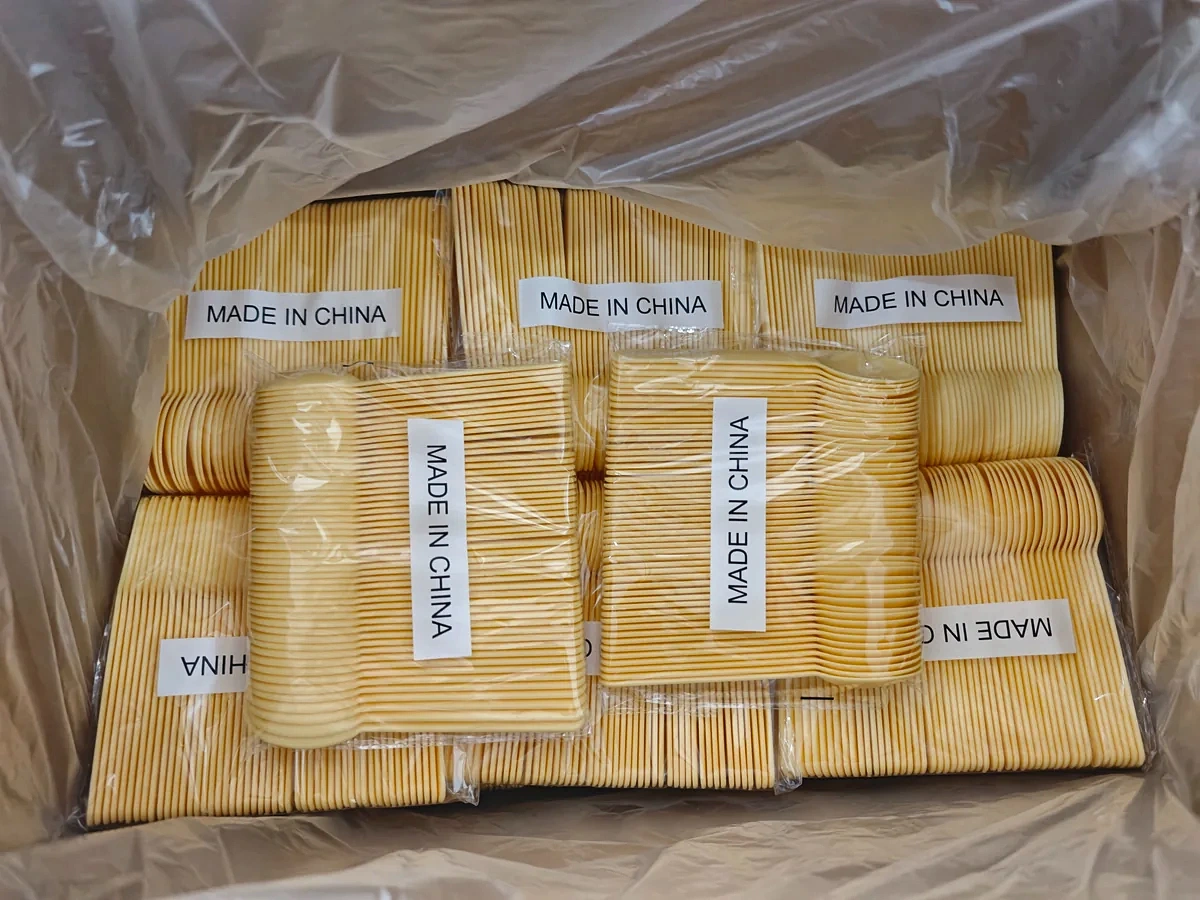
Comparison table: handling, cost and logistics
Use this practical matrix as a starting point rather than a blanket recommendation. Request samples of both options under your normal service conditions.
| Selection factor | Individually wrapped | Bulk packed |
|---|---|---|
| Typical use | Takeaway kits, distributed service | Staffed counters, protected dispensers |
| Handling | Each spoon handled with its wrapper | Storage and dispensing practices matter |
| Packaging material | More wrapper units | Fewer individual wrappers |
| Cost comparison | Compare spoon + wrapper + packing | Compare spoon + inner bag + carton |
| Buyer check | Wrapper seal, print, SKU labeling | Inner-pack count, dispensing, hygiene workflow |
Material, size and customization questions
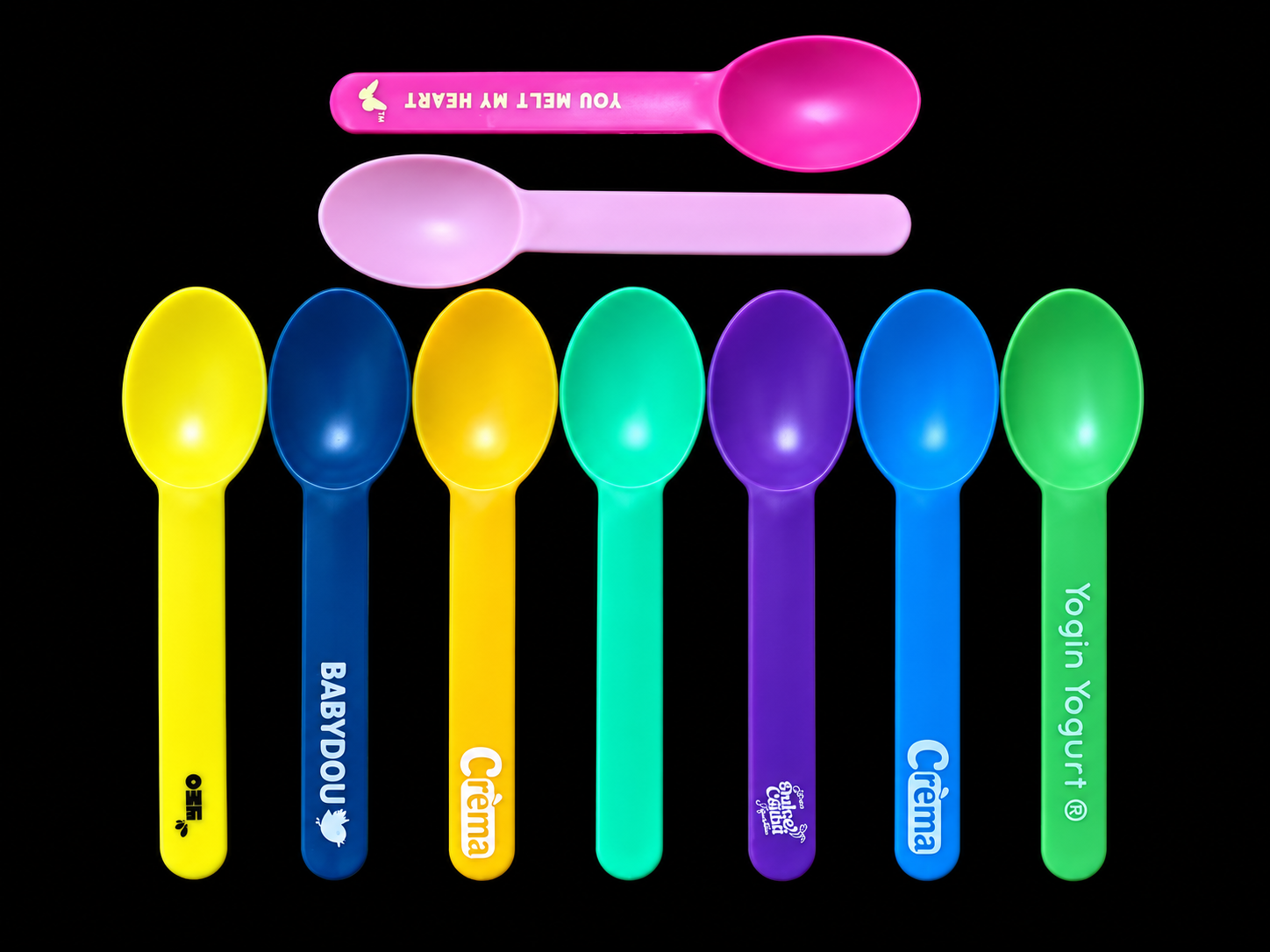
Packaging style is only one variable. Spoon shape, length, stiffness, edges, color, intended food contact and branding all matter. A 12.7 cm tasting spoon and a longer spoon for deeper cups may need different service evaluations.
If evaluating PP, CPLA or wood, ask for documented specifications and destination-market food-contact support for the specific product. Do not infer compostability from appearance or a broad material label. See Jorange Ice Cream Spoons for available models.
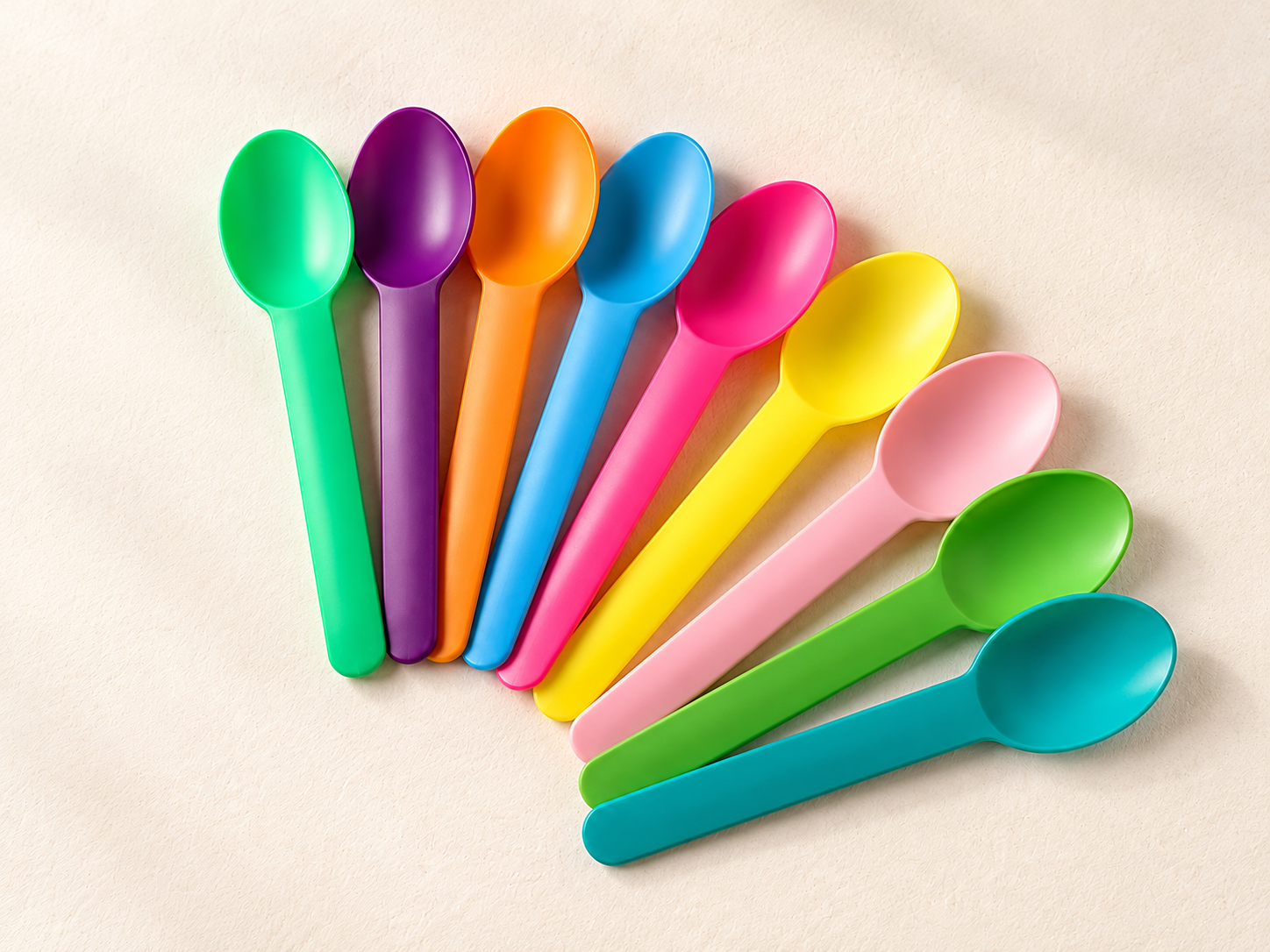
Request a clear wholesale quotation
Provide the material and model, spoon dimensions, target color, total pieces, individual-wrapping or inner-pack preference, desired printed wrapping, shipment destination and timeframe.
Ask suppliers to quote the product and the packaging configuration separately when practical, so you can compare cost per spoon and cost per usable retail pack. You can send your requirement to Request a Quote.
Frequently Asked Questions
Are individually wrapped ice cream spoons always better?
No. They may suit some takeaway operations, while protected bulk dispensers can fit other workflows. Compare handling, packaging waste and total cost.
Can wrappers be custom printed?
Capabilities depend on the wrapper material, equipment and order volume. Request supplier confirmation and a proof before production.
Do individually wrapped spoons have a fixed MOQ?
No universal MOQ applies. Ask for a quote based on your spoon style, wrapper and artwork.
Which format is best for delivery orders?
Individual wrapping can help organize takeaway kits, but choose based on your actual packing process, local requirements and verified supplier samples.
Send Jorange Packaging the product type, intended use, size, quantity, decoration needs and destination. We can discuss product-specific specifications and available supply options without assuming every configuration is stocked.
Request a Quote →Buyer note: This guide provides general sourcing questions, not a guarantee of product performance, regulatory approval or particular factory capabilities. Check exact specifications and evidence with the supplier before purchase.