Takeaway Food Packaging Checklist for Cafés and Restaurants
FOODSERVICE PACKAGING GUIDE
A coordinated buying checklist for cups, lids, boxes, wrapping paper, bags and drink carriers.

Quick answer: To source takeaway food packaging efficiently, list your menu items first, match each item to a suitable package, confirm dimensions and intended food-contact use, and then coordinate printing, quantities and delivery. Ordering by appearance alone can lead to mismatched lids, oversize cartons and packaging that is impractical during service.
A café or takeaway restaurant may need several different packaging products in a single order. Cups, lids, paper bags and food boxes each have distinct technical and logistical requirements. This guide offers a usable checklist for both shop owners and wholesale procurement teams.
Which packaging does your menu need?
| Business or menu item | Packaging to consider | Key purchasing check |
|---|---|---|
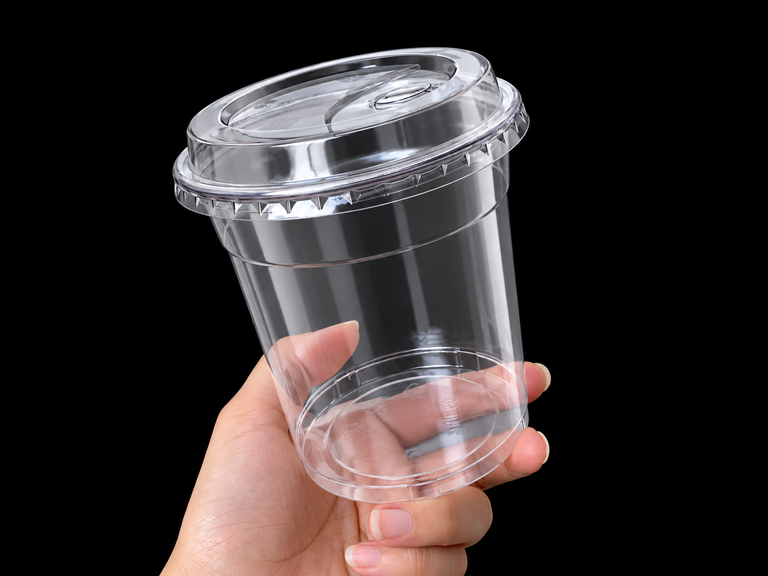
| Iced coffee / chilled tea | PET or PP cups and matching lids | Serving capacity and secure lid fit |
| Hot drinks | Paper cups suitable for the intended temperature | Cup construction and hot-drink use |
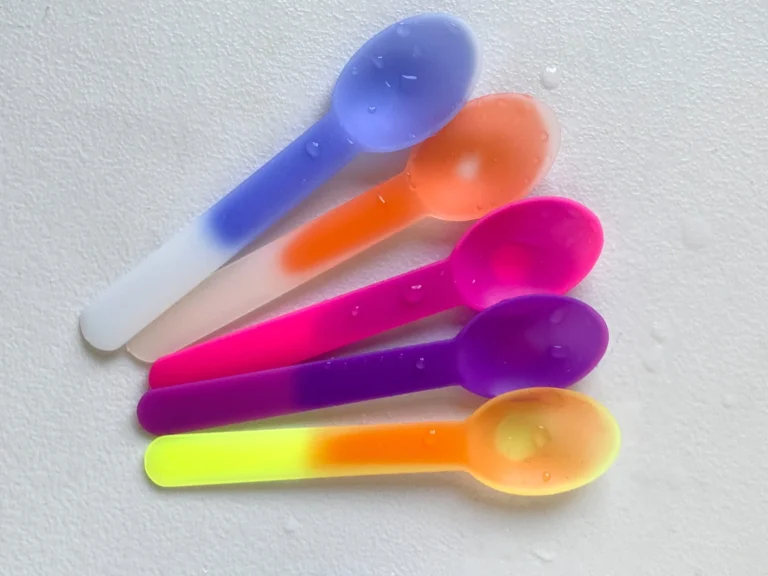
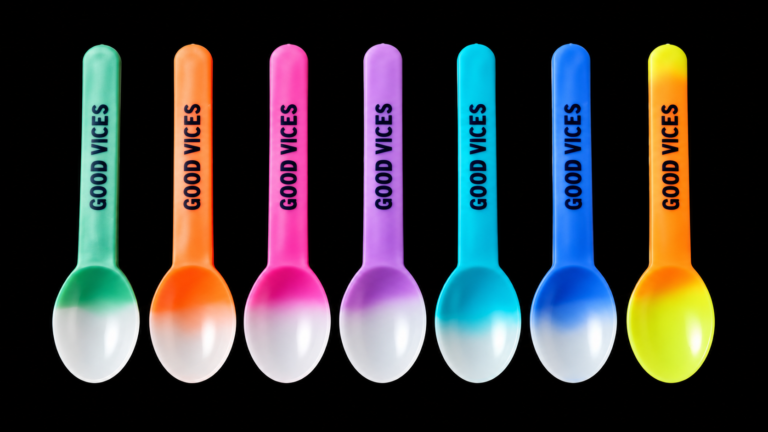
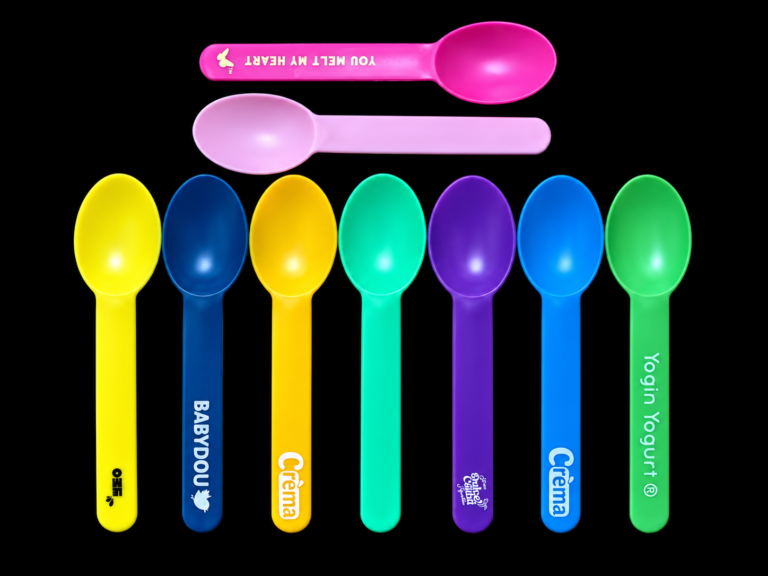
| Ice cream / gelato | Ice cream cups and spoons | Portion size and intended use |
| Burgers / sandwiches | Burger boxes and/or wrapping paper | Finished food size and grease handling |
| French fries | Fry boxes or paper serving trays | Portion size and shape |
| Multi-drink takeaway | Molded-pulp cup carriers | Fit with the selected cup geometry |
| Mixed takeaway order | Paper bags | Dimensions, handle type and load |
The table describes possible packaging categories, not a guarantee that every specific product has been validated for every food or temperature.
1. Build Your Takeaway Food Packaging List from the Menu
Before requesting prices, make a simple list of every item customers order for takeaway. Include drinks, ice cream, hot or cold food, accompaniments and combined orders.
If you sell iced coffee, consider not only the cup but also the compatible lid and whether customers need a carrier. If you sell burgers and fries together, check whether the individual boxes fit inside the chosen takeaway bag.
This approach makes sourcing more complete and reduces last-minute purchases from unrelated suppliers.
2. Match materials to the application
Different materials are used for different reasons:
- PET cups: commonly chosen when clear cold-drink presentation matters.
- PP cups: available in different constructions and service applications, subject to product-specific specifications.
- Paper cups: used for selected beverage services; coating and cup structure should suit intended temperature and use.
- Paperboard food boxes: help contain burgers and other takeaway foods.
- Wrapping paper: selected grades can be used for food wrapping where relevant grease and contact properties are specified.
- Molded-pulp carriers: help transport multiple compatible drink cups.
There is no universal “best” material. The right selection depends on the menu, contact conditions, practical handling and destination-market requirements.
3. Verify dimensions before selecting designs
A well-designed package should fit its contents without creating unnecessary empty space. Request physical dimensions or dimensioned drawings where possible.
For cups, confirm top diameter, bottom diameter, height, capacity and lid model. For burger boxes, measure the finished product as it is served—not only the bun. For paper bags, check the combined height, width and depth of the boxes and cups that may be carried together.
Buyer example: A two-drink takeaway order could require cups, lids, a carrier and a bag. All four components should be checked as a system, not as isolated products.
4. Consider filling, carrying and delivery
Packaging moves through different hands and conditions. Think about how staff will fill it, how customers will hold it and whether the product will be carried over uneven surfaces.
Important considerations include the stability of the filled cup, secure lid fit, how the box closes and whether bag dimensions support the assembled order. If hot and cold products are transported together, plan the layout rather than assuming every package is appropriate for combined use.
For multi-cup orders, browse the Cup Carriers collection.
5. Create a brand system across several products
Printing the same logo on every package does not mean using one identical artwork file without adjustments. Cups, bags, boxes and paper wraps use different shapes and printing processes.
A consistent design system can still use common brand colors, logo placement principles and visual motifs. Ask each supplier to confirm the printable area and whether the proposed colors are feasible on the actual substrate.
For B2B buyers, a useful master artwork folder contains an approved logo, vector assets, color references and a design version for each packaging category.
6. Estimate order quantities by real consumption
Packaging categories rarely sell through at the same speed. Track monthly usage by item and order in relation to demand rather than purchasing equal quantities of cups, paper bags and boxes.
| Product group | Quantity planning question |
|---|---|
| Cups | How many servings by size per month? |
| Lids | Does every cup require a lid, and which model? |
| Ice cream supplies | Which cup and spoon sizes are needed? |
| Boxes and wraps | How many pieces are used per menu order? |
| Bags | How many orders need a separate carry bag? |
| Carriers | What proportion of orders contain multiple drinks? |
Then ask the supplier whether MOQ applies per size, printed design or product style. Coordinating several products in one shipment does not automatically eliminate each item’s minimum requirements.
7. Request samples for the combinations that matter
A sample can reveal whether a lid fits a cup, whether a box fits the assembled burger or whether a paper bag comfortably holds a complete order.
Where appropriate, inspect print position and readability on a physical product. If a supplier offers a sample or proof, clarify lead time, cost and whether the sample represents the final production material.
Avoid relying solely on a render or product photo for technical fit.
8. Confirm documentation and packing details
For food-contact applications, request documentation relevant to the actual finished product, use conditions and destination market. A broad statement such as “food grade” is not a substitute for understanding the scope of a specific test or declaration.
For shipping, ask for pieces per sleeve, pieces per carton, carton measurements, gross weight and expected total shipment volume. These practical details help compare landed cost and organize receiving operations.
Where applicable, review guidance from the U.S. FDA or European Commission rather than assuming requirements are identical in all markets.
9. Use this checklist when requesting a wholesale quote
- Business type and intended food or drink application
- Product categories needed
- Size or capacity and reference images
- Material preference or questions
- Quantity for each SKU or artwork
- Cup-and-lid compatibility requirements
- Logo, colors and available artwork files
- Destination and preferred delivery terms
- Relevant test documents or compliance questions
- Desired quotation and sample timeline
The more specific the inquiry, the easier it is to compare quotations on equal terms.
Frequently asked questions
Can one supplier source cups, food boxes and paper bags?
Some suppliers coordinate several packaging categories. Product availability, different MOQs, lead times and inspection arrangements still need confirmation for each item.
Which takeaway cup is best for iced drinks?
Both selected PET and PP cups can be relevant, depending on clarity preferences, construction, lid requirements and intended conditions. Compare the exact models rather than deciding from material names alone.
How do I know a cup lid will fit?
Request the precise recommended lid for the chosen cup, review dimensions and use a sample fit test when necessary. Matching nominal diameters alone is not conclusive.
Should every takeaway item carry the same printed design?
A consistent brand identity is helpful, but artwork often needs adjustment for different materials, printable areas and production methods.
What should I send for a packaging quotation?
Send the packaging list, sizes, quantities, artwork or logo, intended applications and destination. Add product photos or samples when available.
Explore packaging categories and request a quote
Start with the Jorange product overview, or browse specific collections: PET Cups, PP Cups, Paper Cups, Paper Bags, Burger Boxes, Burger Wrapping Paper, French Fry Boxes and Cup Carriers.
To discuss a coordinated order, send Jorange Packaging your sourcing requirements.