SUSTAINABLE PACKAGING / PET CUPS + CPLA SPOONS
Pairing PET cups and CPLA spoons gives foodservice operators a practical combination of high visual clarity for cold drinks and a plant-based utensil option for desserts. Success depends on matching cup-and-lid specifications, verifying spoon heat performance and obtaining product-specific documentation for both items.
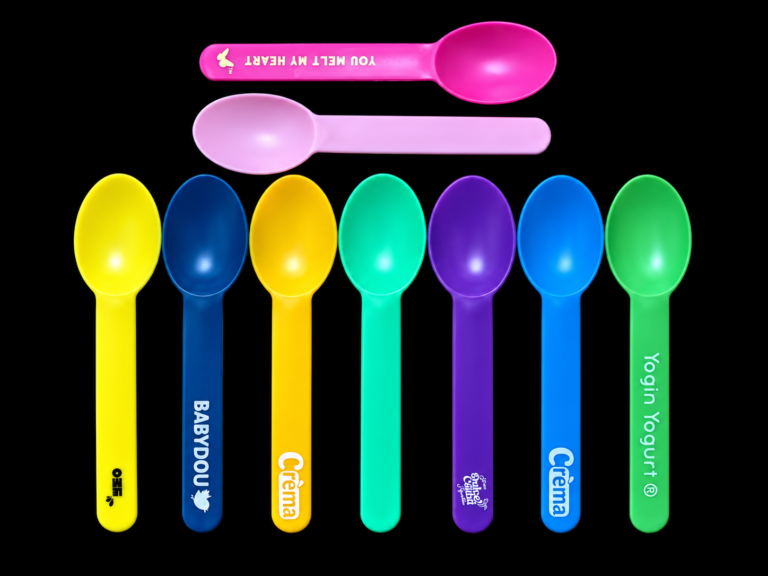
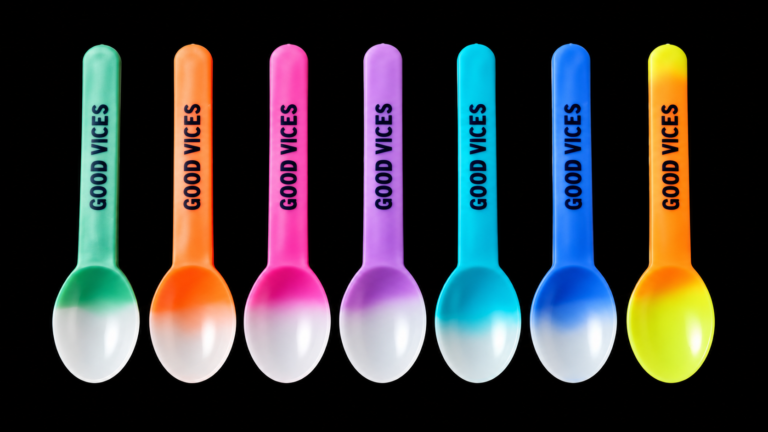
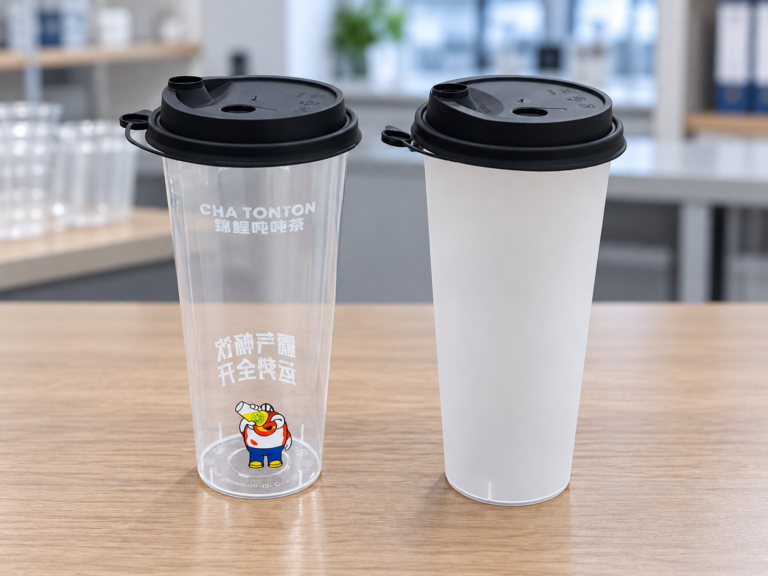
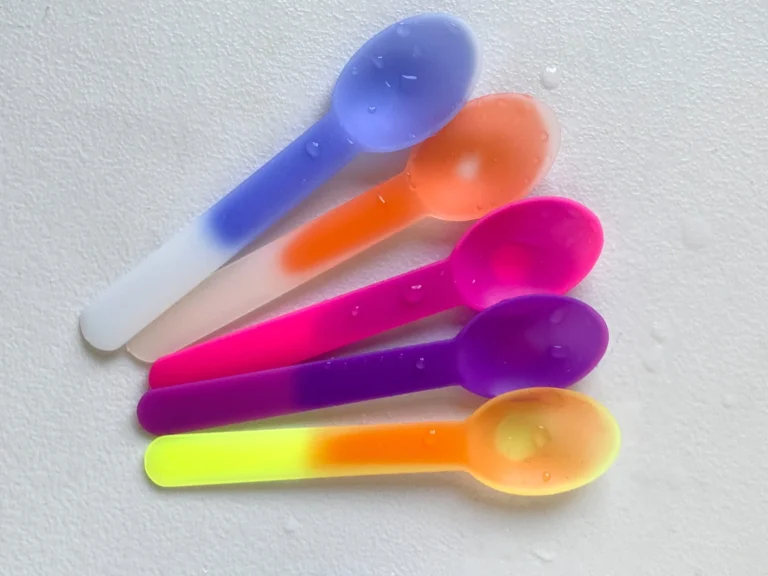
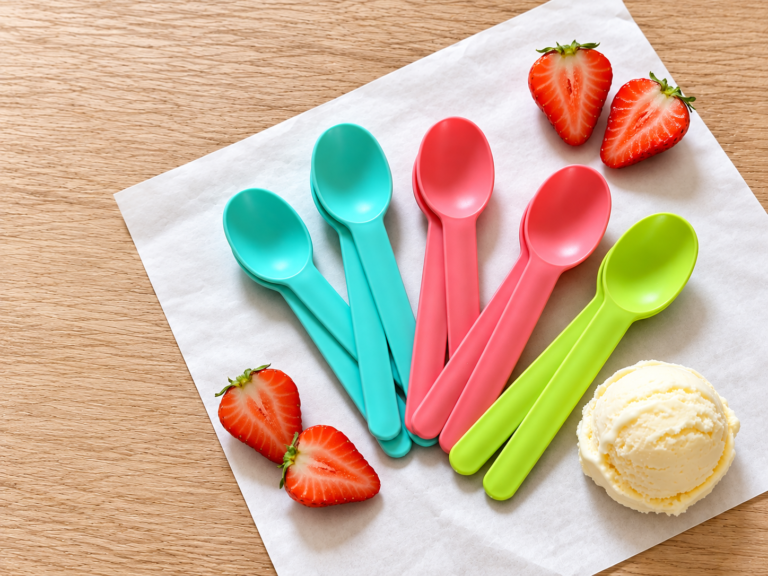
PET cups and CPLA spoons together form a practical packaging system for modern cafés, bubble-tea shops and dessert concepts. Clear PET cups deliver the transparency and strength needed for cold beverages, while compostable CPLA spoons provide a plant-based alternative for ice cream, yogurt and other desserts. When sourced as a coordinated set, PET cups and CPLA spoons help operators present a more consistent sustainability message.
Buyers evaluating PET cups and CPLA spoons should treat the two products as linked decisions. Cup rim design affects lid choice, spoon length should match container depth, and certification requirements may differ by destination market. A structured purchasing approach reduces the risk of mismatched components.
Why PET cups and CPLA spoons work well together
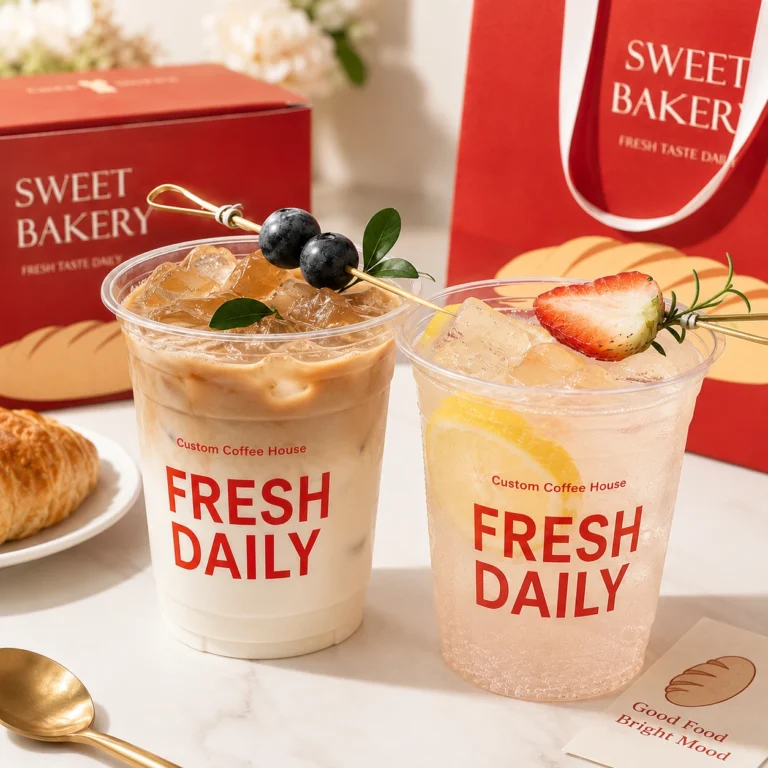
PET cups offer high clarity and recyclability, making them ideal for iced coffee, fruit tea, smoothies and layered drinks. CPLA spoons are plant-based, relatively heat-resistant and designed for industrial composting, which suits frozen and some warm desserts. Using PET cups and CPLA spoons in the same service system reduces reliance on conventional single-use plastic while supporting brand storytelling around responsible packaging.
One-stop sourcing of PET cups and CPLA spoons, together with lids, carriers and bags, also lowers coordination and logistics complexity. Operators can align lead times, packaging styles and quality expectations across the full takeaway set instead of managing multiple unrelated suppliers.
Typical application scenarios
Bubble-tea and coffee chains commonly pair transparent PET cups with matching lids and, when desserts are offered, CPLA tasting or full-size spoons. Ice-cream and dessert shops combine PET or specialized dessert cups with CPLA ice-cream spoons. Catering and events benefit from custom-printed PET cups plus individually wrapped CPLA spoons for hygiene and brand consistency.
In each case, the combination of PET cups and CPLA spoons allows the operator to address both beverage presentation and utensil sustainability in one coherent package. This is especially useful for brands that want to communicate environmental responsibility without sacrificing functional performance.
Procurement checklist for PET cups and CPLA spoons
Confirm the exact PET cup model, capacity, rim diameter and compatible lid. For the spoon, record length, claimed heat resistance, color, packaging style and compostability certificates. Request samples of both PET cups and CPLA spoons and test them together under real service conditions. Align minimum order quantities, lead times and shipping destinations so both items can be delivered in a coordinated shipment when needed.
Documentation is another important point. Food-contact declarations and any compostability certificates should cover the finished articles, not only the base materials. Keep records of approved samples so incoming bulk shipments of PET cups and CPLA spoons can be checked consistently.
Sizing and compatibility considerations
Popular PET cup sizes for cold drinks range from 12 oz to 24 oz, with rim diameters often between 90 mm and 98 mm. CPLA spoon lengths typically fall between 4 and 7 inches. Matching spoon length to cup depth improves usability, especially for thicker desserts or layered products.
Lid choice for PET cups should be tested with the actual cup model. Flat lids support stacking and transport, while dome lids provide space for toppings. When PET cups and CPLA spoons are sold or served together, consistent visual quality and reliable fit help maintain a professional presentation.
What to include in your RFQ
List required cup sizes and quantities, lid preferences, printing needs, spoon lengths and quantities, packaging preferences, target markets, sample requirements and desired delivery window. State any certification expectations for both the PET cups and the CPLA spoons so the supplier can respond with matching documentation.
Including photos of current packaging or describing the exact service scenario helps the supplier recommend suitable combinations of PET cups and CPLA spoons. If carriers, paper bags or other complementary items are needed, add them to the same request for a more complete proposal.
Frequently asked questions
Can I source PET cups and CPLA spoons from the same supplier? Yes. Many packaging specialists, including Jorange Packaging, offer both product families and complementary takeaway items.
Do the items share the same lead time? Lead times can differ by product and order specification; confirm both schedules when placing a combined order for PET cups and CPLA spoons.
Are the sustainability claims interchangeable? No. PET recyclability and CPLA compostability are different end-of-life pathways; keep the claims accurate for each product.
Should I test samples together? Yes. Testing PET cups and CPLA spoons as a set under real serving conditions is the best way to confirm fit, appearance and practical performance.
Request a coordinated quote
Tell Jorange Packaging which cup models, lid styles, spoon sizes and quantities you need, along with your destination and any printing or certification requirements. We will review suitable options for PET cups and CPLA spoons as a complete cold-drink and dessert packaging set.
Request a Wholesale Quote →