Materials & recycling / foodservice guide
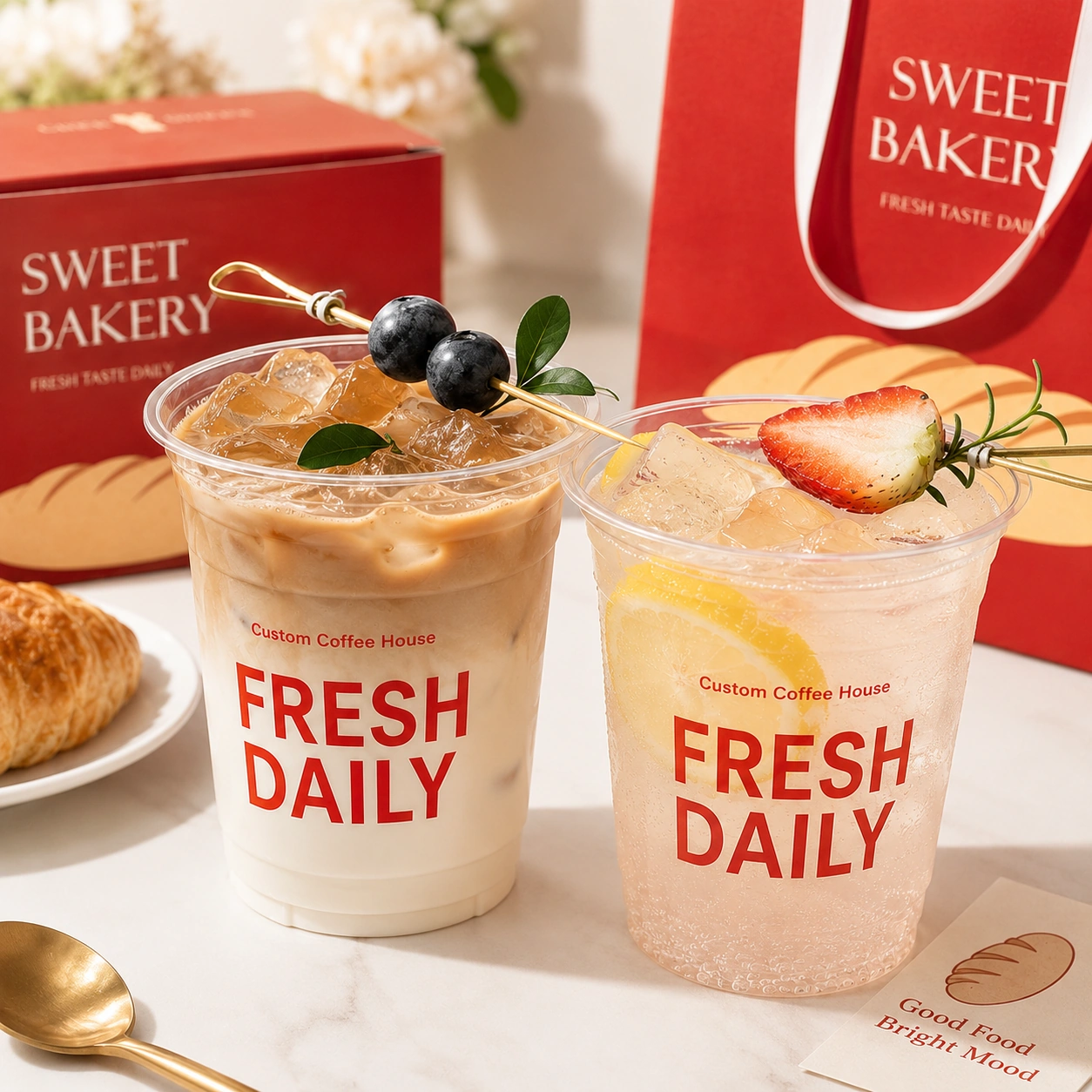
Transparent disposable cups are familiar at iced-coffee counters, bubble tea shops and takeaway beverage stores. Their clarity helps customers see the drink, and the material name PET often appears in product descriptions. But when a customer asks whether the finished cup can go in the recycling bin, the answer is more specific than a simple yes or no.
This guide explains what the number 1 resin code actually means, why a PET bottle and a PET cold-drink cup may receive different treatment, and how cafés and beverage brands can communicate disposal instructions without making unsupported environmental promises.
Are PET Cups Recyclable in the United States?
In the United States, local recycling programs decide which plastic items they accept. Some programs collect PET cups; others concentrate on PET bottles and selected containers. The US Environmental Protection Agency (EPA) explains that recycling of plastic cups depends on the plastic type and local program, and that a resin identification number is not a guarantee of curbside acceptance.
A cup can therefore be technically capable of being recycled while still being rejected by the collection or sorting system serving a particular café. Customers in two nearby cities may need to follow different instructions for an apparently identical cup.
Why the PET #1 symbol is not a universal recycling instruction
The resin identification code 1 indicates polyethylene terephthalate, commonly abbreviated PET or PETE. It identifies the resin family. It does not certify that the item is made from recycled content, meets food-contact requirements or will be collected in every location.
If your business sells beverages across different cities, avoid treating the number on the cup as a single nationwide disposal instruction. Check the collection rules for each market or ask your waste contractor for a material-specific answer.
Why PET Bottles and PET Drink Cups Can Be Sorted Differently
Plastic bottles have established collection and sorting pathways in many markets. Clear PET cups and takeaway containers may enter different packaging streams, depending on the manufacturing method and the facility’s classification. Some cups are grouped with PET thermoforms; others may be handled differently based on shape and local sorting criteria.
As the Foodservice Packaging Recovery Toolkit notes, PET cups and other rigid foodservice containers are accepted in a growing number of communities, but consumers should first check local guidance. The same toolkit explains that end-market acceptance varies by material bale and recycler.
| What to check | Why it matters | Practical question |
|---|---|---|
| Resin type | Sorting and recycling guidance are material-specific. | Is the actual cup PET (#1), rather than PP or another plastic? |
| Package format | A program may accept PET bottles but not all PET cups or trays. | Does the local list explicitly include rigid beverage cups? |
| Food residue | Remaining liquid, cream or toppings can make recovery more difficult. | Must customers empty or rinse the cup first? |
| Lid and straw | Accessories can be made from different materials and are often sorted differently. | Should each component be separated? |
| Local destination | Collection programs and recycling markets are not identical everywhere. | Which bin or collection system actually accepts the cup? |
Can I Recycle a PET Cup That Held Iced Coffee or Bubble Tea?
Sometimes, yes, but the drink contents and local acceptance rules matter. A nearly empty iced coffee cup with a small amount of milk residue is not the same as a cup still full of ice, whipped cream or tapioca pearls. If the local program accepts the container, follow its instructions for emptying or cleaning it.
The EPA advises removing food waste and checking local program requirements before recycling food containers. You should not assume that a large amount of liquid or leftover toppings can be processed together with the plastic cup.
What about the cup lid and straw?
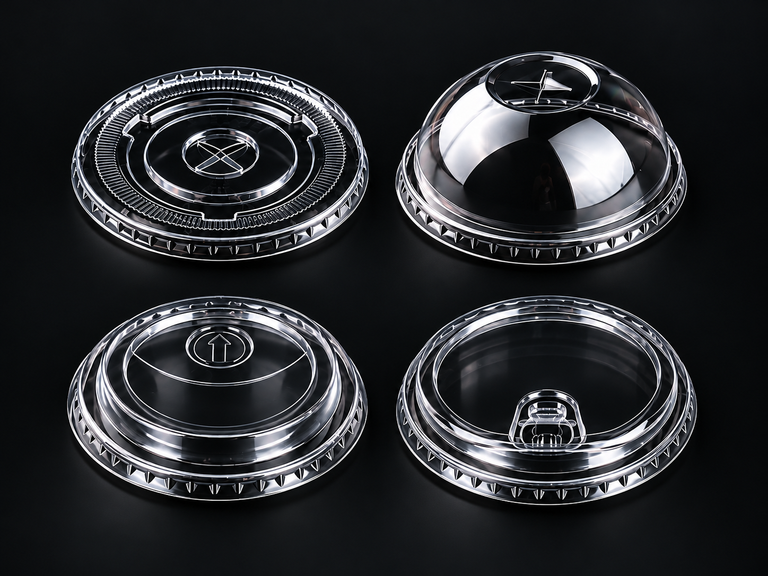
Do not assume that the lid, cup and straw have the same resin. PET cups can be sold with different matching lids, and straws may be another material again. Small loose items can also be difficult for sorting equipment to capture. If local instructions differ for the components, separate them accordingly.
For sourcing, ask about the material of each item: the cup body, the lid and the straw. This also helps with product compatibility. Our PET cups product page covers matching cold-drink formats and lids.
Are PET Cups Recyclable in Australia?
Australia also has location-specific collection arrangements. The Australian resource Recycling Near You says that most councils accept clear plastic iced-coffee takeaway cups in household recycling, while advising people to check with their own council. Recycle Mate similarly notes that rigid plastic cups are commonly accepted when clean and empty, although local instructions and container types differ.
That is more useful to a beverage chain than a broad claim such as “all PET cups are recyclable everywhere.” A store can provide accurate guidance based on the actual council area and material specification.
How Should Cafés Explain PET Cup Disposal to Customers?
Accurate, limited claims are usually better than sweeping slogans. A café should first confirm what is accepted locally and then communicate the relevant action clearly. Consider a disposal message based on verified collection guidance rather than automatically printing “100% recyclable” on every design.
Build a simple disposal communication process
- Confirm the cup material. Obtain a material description for the selected SKU, and identify the materials used for lids and straws separately.
- Check the recycling provider. Ask whether that type of rigid PET cup is accepted in the intended service area.
- Check emptying and cleaning requirements. Note whether liquid, ice and food must be removed.
- Design clear bin signs. If separate collection exists, show customers which items go in each bin.
- Review claims periodically. If the program changes, update labels, website FAQs and employee instructions.
For buyers ordering packaging across multiple markets, collecting these details is as much an operational task as a design task. A package should work at the counter and through its end-of-use stage.
Does a Recyclable PET Cup Have Less Environmental Impact?
Recyclability alone is not enough to answer that question. Environmental impact depends on factors such as how the product is made, how much material it uses, transportation, whether it is actually collected, what it replaces and how consumers dispose of it.
The EPA’s sustainable foodservice guidance considers waste prevention, reusable options and waste management, rather than treating a single label as a complete environmental assessment. Beverage brands should avoid implying that a cup is environmentally harmless just because PET can be recycled in some systems.
In particular, do not confuse three different claims: PET material identifies the resin; recycled content describes how much recycled feedstock is in a specific product; and local recyclability describes collection and processing opportunities in the relevant market. Each requires different supporting information.
Questions to Ask When Choosing Clear PET Cold Cups
- Which exact resin and grade are used for this cup model?
- What are the actual capacity, rim diameter, height and matching lid options?
- What cold-drink use conditions and product specifications are supported?
- Are any recycled-content claims supported by SKU-specific documentation?
- Does the planned destination market accept this packaging format?
- Can the packaging supplier provide samples for the intended beverage and serving process?
A sample check is useful for fit and handling, but it cannot replace local recycling rules. For cup selection that also involves temperature, see Can PET Cups Hold Hot Drinks?
Frequently Asked Questions About PET Cup Recycling
Is every cup marked #1 PET accepted in recycling?
No. The resin code identifies the material, not a guaranteed collection outcome. Check the local authority or recycler for the specific cup type.
Should I remove the ice and leftover drink first?
Yes. If the local program accepts the cup, empty the drink and follow that program’s cleaning instructions. Large amounts of food or liquid should not be sent through the recycling stream.
Are clear PET cups recycled in the same way as PET bottles?
Not necessarily. Some recycling facilities accept both formats, while others impose separate requirements or accept bottles only. Ask about PET drink cups rather than just asking whether “plastic #1” is collected.
Can a business put “recyclable” on its printed PET cup?
Only after checking that the claim is accurate and properly qualified for the market where it will be sold. Recycling claims depend on collection access and relevant advertising requirements, not just material identity.
Does PET #1 mean the cup contains recycled plastic?
No. The identification code does not state recycled-content percentage. Any recycled-content claim should be supported separately for the particular cup.
Choosing PET Cups for Your Beverage Brand?
Jorange Packaging supplies customizable PET cold-drink cups and matching options for cafés, bubble tea brands and packaging distributors. If you have a specific application, share the preferred cup model, volume, lid, design and destination market so the appropriate product details can be reviewed.
Discuss Your Cup Requirements