Takeaway cup carrier sizes should be selected by the cups you actually serve—not by the number of holes in a tray alone.
A 2-cup carrier is often a practical option for individual pickup and small orders; a 4-cup tray can be more convenient for group takeaway and delivery. But cup base diameter, sidewall profile, filled weight, lid height and carrying conditions all affect fit.
This guide shows cafés, beverage chains and wholesale buyers how to compare 2-cup and 4-cup drink carriers, test samples and prepare a more accurate purchase request.
Two-cup carriers
Compact takeaway sets, counter pickup and small multi-drink orders. Check whether the style tears apart.
Four-cup carriers
Group orders and delivery handover. Test stability when the tray is only partly filled.
1. 2-Cup vs 4-Cup Drink Carriers: Which Should You Choose?
The best carrier format depends on how customers order and how drinks travel after leaving the counter. A coffee kiosk selling mostly one or two drinks per transaction may prioritize compact handling; an office delivery service may need a tray that keeps several filled cups grouped together.
| Buying question | 2-cup carrier | 4-cup carrier |
|---|---|---|
| Typical order | One or two takeaway drinks | Several drinks in one pickup or delivery |
| Counter footprint | Often takes less space per unit | Needs room for a wider tray |
| Partly filled orders | Test carrying a single filled cup | Test one, two and three filled cups—not just four |
| Staff handling | May be easier to assemble for small orders | Can simplify grouped handover |
| Key fit risk | Cup base too narrow or too wide for the pocket | Uneven weight distribution and movement |
Neither format is universally safer or more economical. If the same shop sells multiple cup shapes, it may need more than one carrier model, or a carefully tested universal option.
2. Takeaway Cup Carrier Sizes: Measure the Cup, Not Just Its Ounce Label
A “12 oz” or “16 oz” cup label mainly tells you about nominal beverage capacity. It does not describe the cup’s bottom diameter, taper, wall stiffness or the way it sits inside a molded-fiber pocket.
Before you compare takeaway cup carrier sizes, collect the following details for every cup model you intend to use:
- Base diameter: the actual width of the cup where it will rest in the tray.
- Sidewall profile: straight-sided, tapered or rounded bases can seat differently.
- Filled weight: include the intended liquid volume, cup, lid and any toppings.
- Cup height and center of gravity: tall drinks can become less stable during movement.
- Lid and straw arrangement: tall lids, straws and toppings can affect packing and delivery.
- Service conditions: customer hand-carrying, vehicle delivery, condensation and hot beverages present different handling requirements.
Buyer reminder: A carrier’s overall length and width do not tell you its pocket diameter or holding performance. Ask for drawings or product samples. Do not assume that cups sharing a nominal rim diameter will sit identically in the same carrier.
3. Reference Carrier Dimensions: A Starting Point, Not a Fit Guarantee
Jorange Packaging’s current cup carrier range includes single-cup, two-cup and four-cup molded-pulp styles. The following are published reference dimensions for selected designs:
| Reference style | Overall size | Selection note |
|---|---|---|
| Compact tear-apart 2-cup | 18 × 10 × 5 cm | Compare with compact drink orders |
| Wide-cup 2-carrier | 22 × 11 × 4.2 cm | Alternative overall footprint for wider cups |
| Standard 4-cup tray | 22 × 22 × 4.5 cm | Square grouping for four drinks |
| Tear-apart 4-cup style | 18 × 17 × 5 cm | Alternative segmented construction |
The dimensions above come from published reference product measurements and are not a manufacturing tolerance specification. Confirm the exact item, final dimensions, pocket fit and sample before ordering. Other sizes and styles may be available.
When comparing quotes, request a model identifier rather than writing only “2-cup tray” or “4-cup tray.” Two products with the same cup count can have different footprints and cup-holding geometries.
4. A Six-Step Cup Carrier Fit Test Before Bulk Ordering
A short, repeatable test is more useful than deciding from a catalog photograph. Try the exact cup-and-lid combinations your business will serve.
- Identify the combination. Label the cup model, lid model, carrier sample and test fill level. Record the approximate filled weight.
- Seat the cup normally. Put the cup into the carrier without forcing it. Check whether it sits upright and whether its base is adequately supported.
- Test different loading patterns. For a 4-cup tray, check one, two, three and four filled cups in realistic positions. For a 2-cup tray, check one and two cups.
- Simulate a normal handover. Lift, walk, stop and place the loaded carrier on a counter. Avoid dangerous tilt or shaking tests with hot liquids.
- Check moisture exposure. Evaluate reasonable condensation or incidental splashes and watch for softening or changes in holding performance.
- Record the result. Note movement, deformation, poor lid clearance and handling issues. Approve only the carrier-and-cup combination that passed your service test.
Do not treat this informal procedure as a laboratory certification or a guaranteed load rating. For higher-risk delivery situations, establish additional documented tests appropriate to the product and transport conditions.
5. Common Fit Problems That Samples Can Reveal
A narrow cup base sits too loosely
The cup may rock or tilt when carried, especially in a partly filled four-slot tray. Test a different pocket shape or carrier style rather than compensating by packing tissue around the cup.
A wide base does not seat fully
Forcing a cup into a molded-pulp pocket may distort the tray. Ask for a model suited to the actual cup base and taper.
The tray works on a counter but not during delivery
A stable tabletop presentation does not necessarily predict movement inside a delivery bag or vehicle. Check the full packing system, including the bag or box and the carrier’s position inside it.
Condensation or spills weaken handling
Cold beverages can create moisture on the cup exterior. Ask about the carrier’s behavior in typical service conditions and avoid broad claims such as “waterproof” unless supported by product-specific evidence.
6. Molded Pulp Materials: What Should Buyers Confirm?
Molded-fiber carriers may be offered using recycled-fiber blends, recycled paper pulp or bagasse (sugarcane residue). These labels can overlap or cover different material compositions. Color alone is not a reliable way to verify what the tray contains.
Ask the supplier to identify the material composition of the exact carrier model and provide relevant documents when needed. Do not assume that every molded-pulp carrier is recyclable, home-compostable or suitable for a particular disposal route. Those claims depend on the finished product and local collection systems.
For drinks, material selection should also account for how the carrier performs after normal moisture exposure and whether it maintains cup support through a realistic service period.
7. Wholesale Buying: Compare Total Handling Costs
The lowest quoted carrier price is not always the least expensive way to fulfill a drink order. Take a broader look at your packaging operation:
- Unit cost for the correct carrier model and order quantity
- Carton quantities, carton dimensions and storage space
- Freight implications of larger or bulkier carrier styles
- Staff time to assemble, separate or load the carrier
- Waste from carrier-and-cup mismatches
- Consistency of supply for future repeat orders
For example, a shop that mostly sells pairs of drinks may find a two-cup format easier to stock and use. A catering business handling larger group orders may prioritize four-cup convenience. The right choice depends on your order mix, not a generic rule.
What to include in your cup carrier RFQ
Product: molded-pulp 2-cup and/or 4-cup takeaway carrier
Cup details: model or sample, base diameter, height, lid type and typical filled weight
Use: takeaway counter, walking pickup or delivery; hot/cold beverage
Quantity: estimated pieces per model and ordering frequency
Preferences: material, color, packing format and any special requirements
Destination: delivery country and any applicable procurement or documentation needs
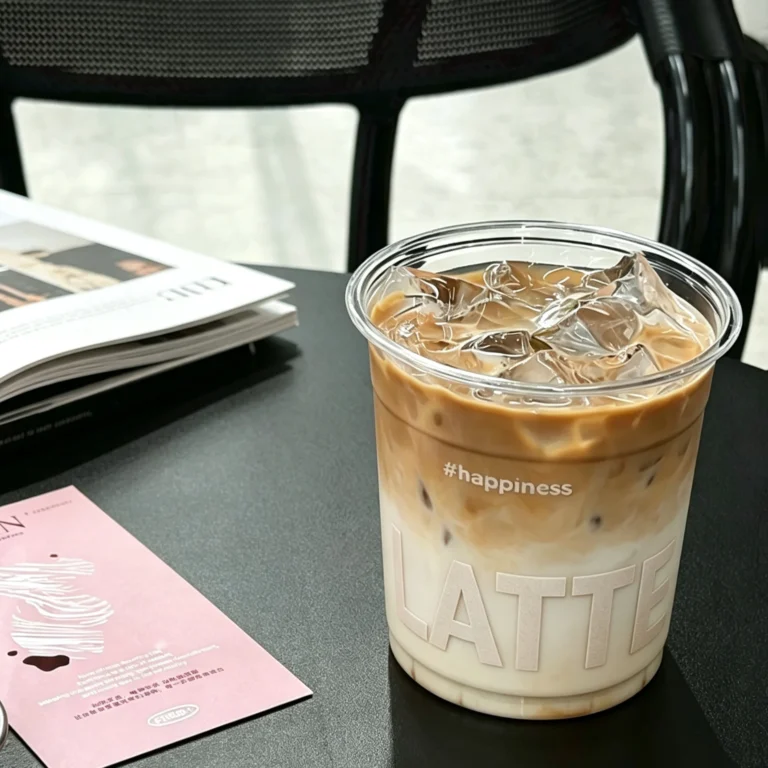
If you are buying cups and carriers together, send the selected cup specifications as part of the same request. You can also explore PET cups for cold beverages or paper cup options before confirming the carrier model.
Frequently Asked Questions About Takeaway Cup Carrier Sizes
Will one 4-cup carrier fit every 12oz or 16oz cup?
No. Ounce labels do not establish the base diameter or cup geometry. Compare the actual cup model with the carrier pocket and test the intended filled weight.
Is a 4-cup tray suitable for an order containing only two drinks?
It may be, but uneven loading can change how the tray handles. Test your actual loading pattern rather than assuming an empty pocket makes no difference.
What is a tear-apart cup carrier?
It is a carrier design with separable sections in suitable models. The ease of separation and resulting cup support should be checked on the specific sample.
Are molded-pulp drink carriers waterproof or compostable?
Not by default. Moisture resistance, material content and end-of-life claims depend on the finished product and applicable testing or local disposal systems. Request evidence for any claim you need to make.
What should I send a supplier to confirm cup carrier fit?
Send a cup sample or accurate dimensions, lid type, target filled weight, expected carrying conditions, preferred carrier count and approximate purchase quantity.
Find the Right Carrier for Your Drink Cups
Jorange Packaging helps B2B buyers review molded-pulp cup carrier options alongside beverage cups and lids. Share your cup dimensions, order quantity and destination so we can discuss the right fit before a bulk purchase.
Request a Custom Quote View Cup Carrier Options →