Wholesale PET Cups: How to Choose Sizes, Lids and Printing
PET CUP BUYING GUIDE
A practical checklist for choosing clear cold-drink cups, matching lids, custom printing and export packing.
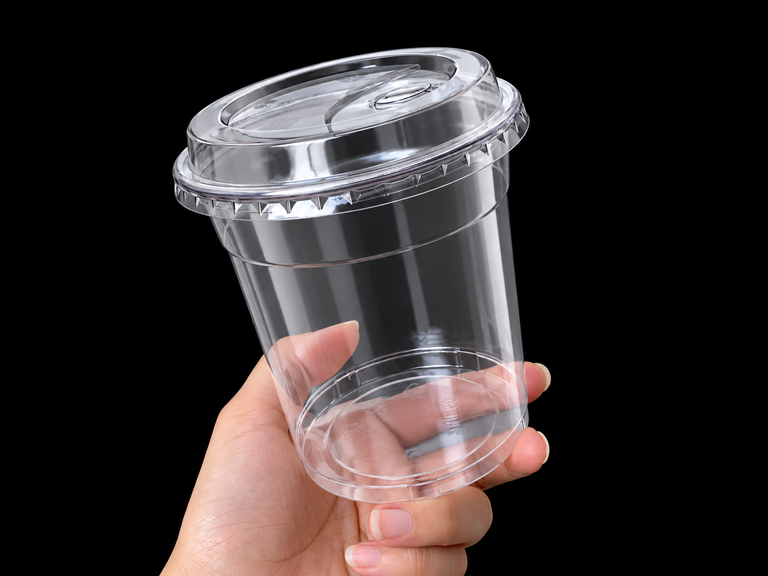
Quick answer: To buy wholesale PET cups successfully, confirm the finished drink volume, cup dimensions, matching lid model, intended food-contact conditions and carton specifications before you approve a quotation. If you need a printed logo, agree on the printable area and proof-approval process as well. Capacity labels alone do not guarantee two cup models will work interchangeably.
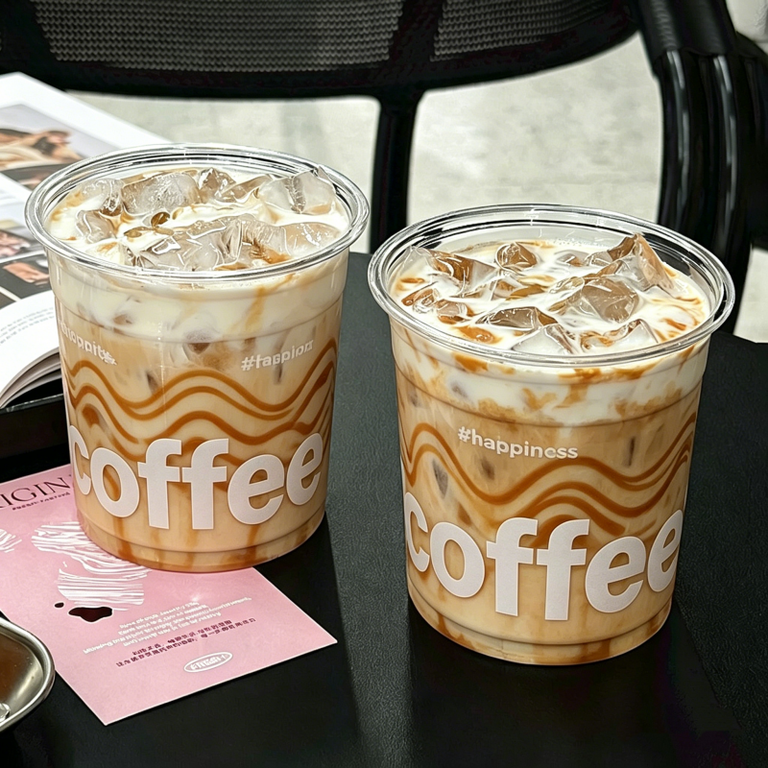
Clear PET (polyethylene terephthalate) cups are frequently selected for iced tea, juice, iced coffee and other chilled drinks because customers can see the beverage. But attractive product photos cannot tell a purchasing team everything it needs to know. This guide shows what to specify, what to ask a supplier and how to avoid common ordering mistakes.
Wholesale PET cups: the purchasing checklist
| Buying point | Ask the supplier for | Why it matters |
|---|---|---|
| Volume | Nominal/brimful capacity and recommended fill level | Ice and toppings reduce usable serving volume |
| Dimensions | Top diameter, bottom diameter and height | Affects holders, packing and drink presentation |
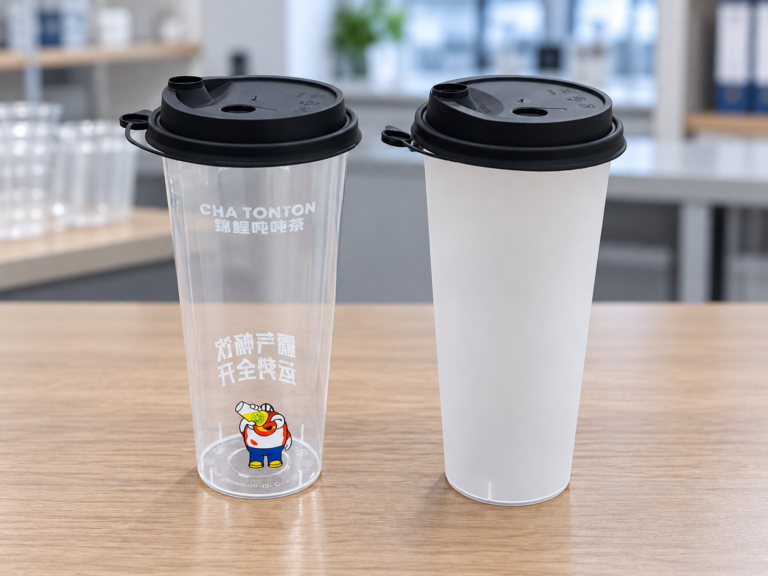
| Cup model | Actual construction and intended use | Similar-looking cups may behave differently |
| Lids | Compatible lid model or part number; sample fit check | Nominal rim size alone does not guarantee fit |
| Printing | Printing method, artwork size, colors and proof | Avoids last-minute design changes |
| Logistics | Pieces per carton, dimensions, gross weight | Helps estimate freight and warehouse space |
| Documentation | Records relevant to the exact finished product | Avoids treating a general report as universal approval |
1. Select cup size for the drink, not just the label
Cup listings often use sizes such as 12 oz, 16 oz, 20 oz and 24 oz. These are examples of familiar market categories—not a claim that every model is available from every manufacturer. Your final selection should reflect the cup’s actual volume and the way the drink is served.
For example, two 16 oz models may have different shapes and fill heights. If a shop serves substantial ice, fruit or toppings, the practical drink volume can be lower than the stated maximum. Ask whether the volume quoted is brimful capacity or the expected serving capacity.
Buyer question: “Can you send a dimensioned drawing and explain how capacity is measured for this exact cup?”
2. Compare shape, rim and storage requirements
A cup that looks elegant on a shelf must also suit real operations. Ask for the top and bottom diameters, overall height and stack configuration. These details affect cup holders, storage racks and how cartons fit into shipping plans.
Straight-wall, tapered and shaped cups can differ even at the same advertised volume. If your business has existing cup dispensers or automated filling equipment, confirm that the chosen model can work with those systems before placing a large order.
3. Treat lid compatibility as a separate specification
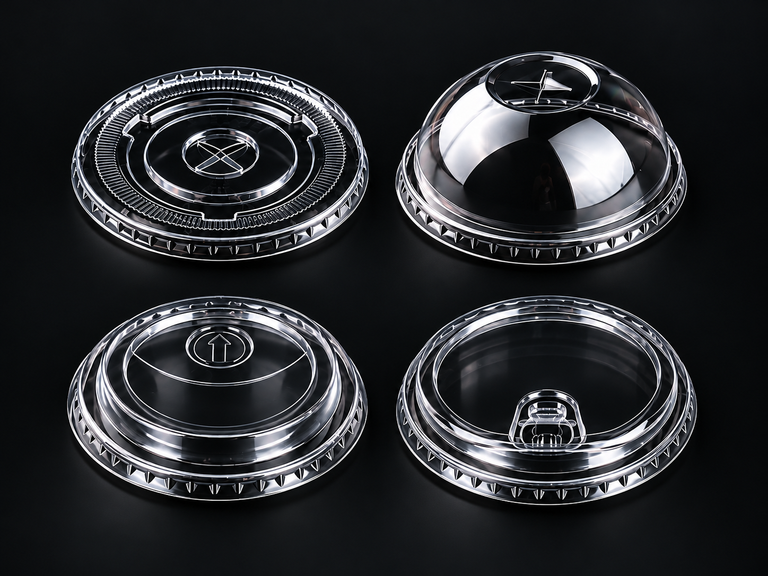
Many wholesale inquiries request “PET cups with matching lids,” but the lid deserves its own model check. Flat and dome lids may meet different drink-presentation needs; the correct choice depends on toppings, straw access and handling.
Matching nominal rim diameters do not necessarily mean a secure fit. Rim profile and production tolerances also matter. For bulk buying, it is prudent to review a cup-and-lid sample pairing rather than buying separate parts solely by a diameter label.
See Jorange PET Cups and PET lid options. If you are comparing materials across applications, read the PET vs PP Plastic Cups guide.
4. Plan custom logo printing before production
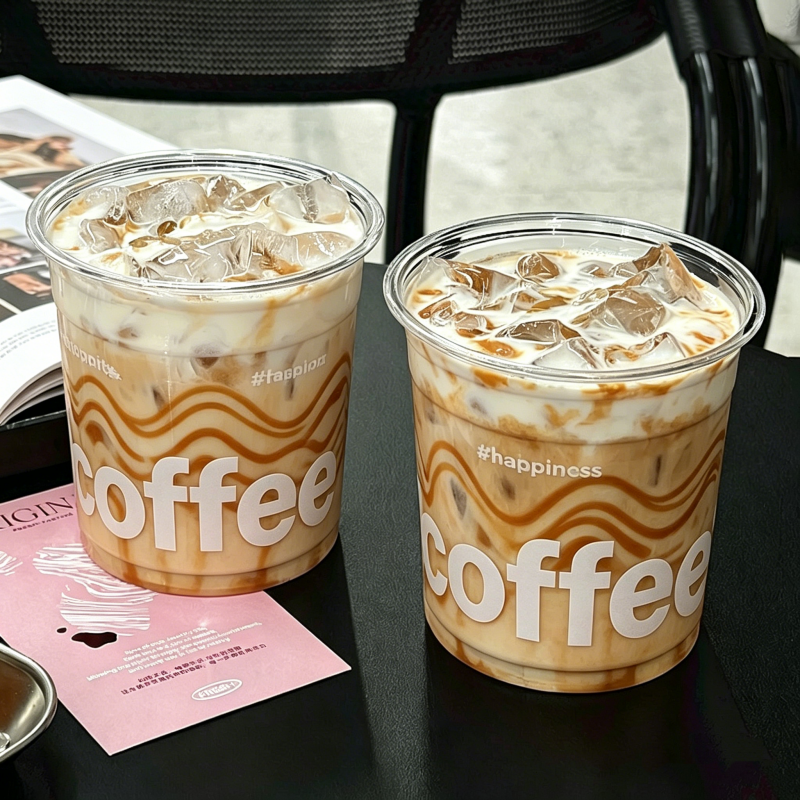
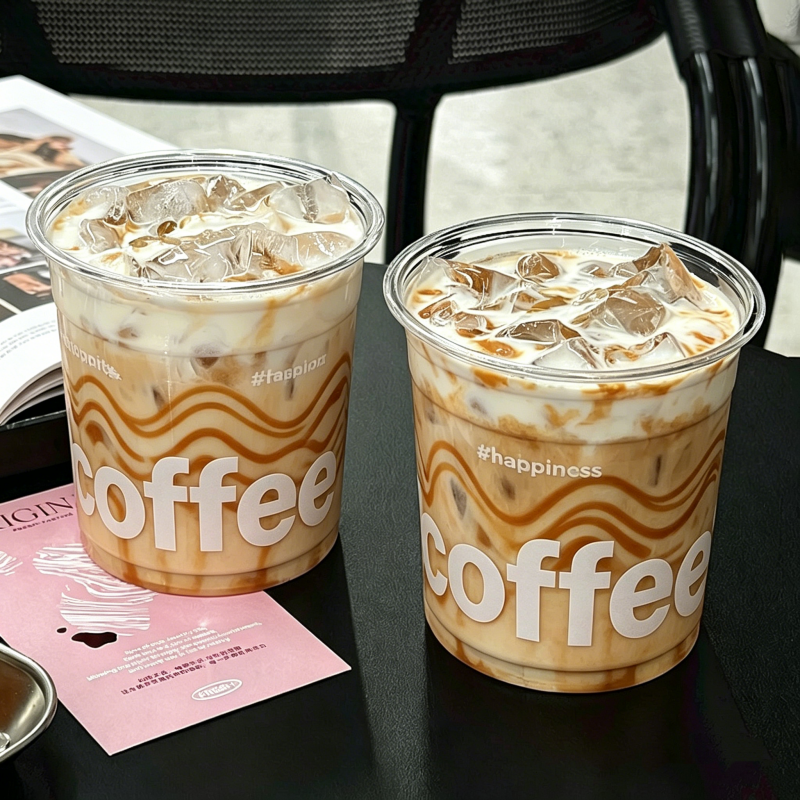
Custom printing can help a beverage shop maintain recognizable packaging, but the layout must be adapted to the particular cup. Prepare your logo, preferred colors, approximate print position and intended order quantity at the inquiry stage.
Vector artwork, when available, makes it easier for a production team to examine lettering and proportions. A digital mock-up can confirm placement but does not automatically guarantee exact ink appearance on a physical cup. Ask which print processes are suitable for the selected PET model and whether a production sample or proof is available.
Do not assume the number of printable colors or minimum order quantity applies to every cup model. Obtain a product-specific confirmation.
5. Review food-contact use and documentation
Food-contact packaging requirements vary with the destination market, material, product design and intended conditions of use. State whether the cup will hold chilled beverages, acidic juices or another product, and mention the country where it will be sold.
Ask for relevant documentation for the exact cup or material scope. For example, a material record and a test on a finished cup are not automatically equivalent. Conventional clear PET beverage cups should not be assumed suitable for hot drinks without product-specific evidence.
For authoritative information, consult the relevant authorities in the destination market, including the U.S. FDA food ingredients and packaging information and the European Commission’s food-contact materials overview.
6. Calculate the full wholesale order
A useful quotation should cover more than a unit price. Ask whether the MOQ is per cup size, per printed artwork or per order; whether lid quantities are quoted separately; and what constitutes an approved production proof.
Your freight forwarder will also need carton dimensions, total cartons and weight. Disposable cups may be light, but shipping volume can materially affect delivered cost. Confirm packaging configuration early rather than waiting until the order is ready to ship.
Example inquiry checklist
- Product: clear PET cold-drink cup
- Target capacity and expected serving volume
- Top diameter, bottom diameter and height, if specified
- Compatible flat or dome lid; straw requirements
- Required quantity per model and per artwork
- Logo file, print colors and approval requirements
- Destination country and shipping terms
- Target date and any relevant documentation requests
Common mistakes in wholesale PET cup sourcing
Mistake 1: Buying by “16 oz” alone. A volume label does not define a cup’s exact geometry.
Mistake 2: Assuming similarly sized lids fit. Confirm cup-to-lid compatibility by exact model.
Mistake 3: Sending artwork after pricing is agreed. Custom printing may change the quotation and lead time.
Mistake 4: Ignoring cartons and freight volume. Always ask for packing data before comparing total costs.
Mistake 5: Assuming one compliance document covers an entire range. Verify product scope and intended market.
Frequently asked questions
Are PET cups suitable for bubble tea?
Selected PET cups are used for chilled bubble tea and other cold drinks. Check the specific cup, toppings, lid design and intended service conditions before ordering.
Can I order wholesale PET cups with a printed logo?
Customization is available for selected models. Artwork, printing method, MOQ and proof procedures depend on the exact cup and production setup.
Will any lid marked with the same diameter fit my cup?
Not necessarily. The rim profile and tolerances can differ. Request the supplier’s recommended compatible lid and, when needed, a sample fit check.
What information helps me receive an accurate quote?
Provide the cup model or preferred dimensions, order quantity, lid requirements, artwork, destination and intended beverage application.
Get a wholesale PET cup quotation
Jorange Packaging helps buyers review cup options, printing requirements and compatible accessories. Explore our PET Cup collection or send a detailed quotation request. Sharing a product reference photo and target quantity makes it easier to discuss the right model.